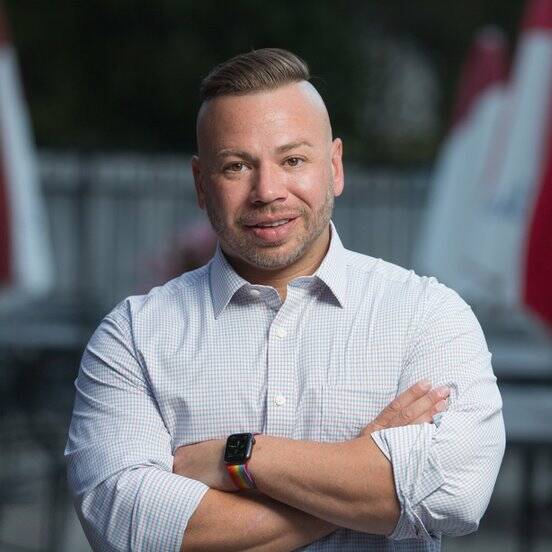
Sabatino
Some Luzerne County Council members are seeking to implement a countywide anti-discrimination ordinance.
“This would be an extension of the state’s anti-discrimination laws,” council Chairman Jimmy Sabatino said Tuesday. “We don’t feel the state goes far enough to protect certain people from discrimination for housing, employment, education and other areas.”
Councilwoman Joanna Bryn Smith had passed out draft copies of a proposed ordinance to her council colleagues at a public meeting last month. Sabatino said a proposed ordinance has been submitted to the county law office for its review.
Sabatino said the ordinance is largely modeled after one successfully implemented in Lehigh County that has “passed legal muster.”
It would require the county to create a council-appointed human relations commission to adjudicate complaints, Sabatino said.
Sabatino said he does not know when the ordinance will come to the full council for a public work session discussion.
“We’re giving the office of law all the time it needs to do its due diligence,” Sabatino said. “We want an extensive legal review so we can be sure we are in our lane, complying with state and federal law, and not overextending our reach.”
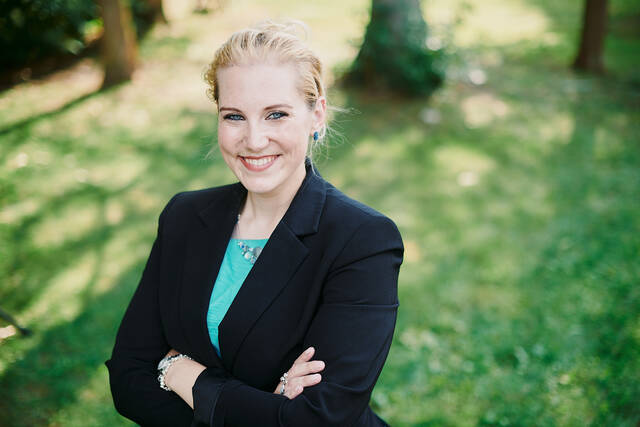
Bryn Smith said the ordinance is needed.
“It’s 2026, and we don’t have a nondiscrimination ordinance. It’s about time,” Bryn Smith said.
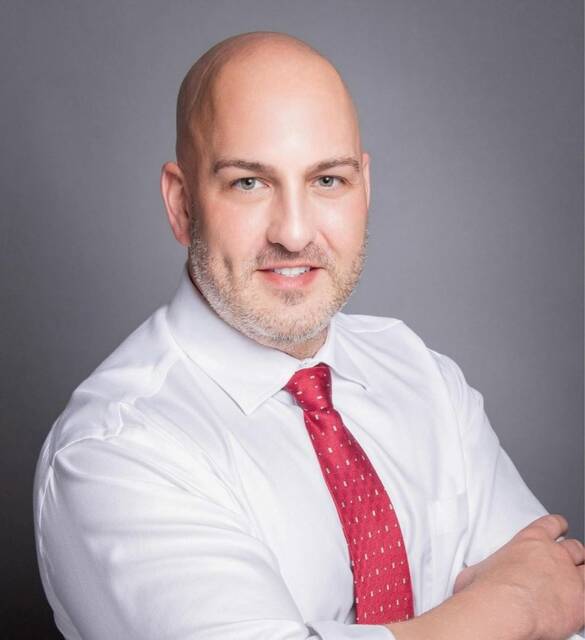
Councilman Chris Belles also supports the ordinance, saying it “isn’t about identity politics.”
“I believe passing this ordinance is the right thing to do regardless of who votes yes on it,” Belles said. “There are six women on County Council, two of whom are black. And of the men on County Council, two of them are gay. So not only is it high time for us to get this done, but I expect that it will get done expeditiously.”
County Council had extensively discussed but ultimately failed to pass an ordinance in August 2016 that aimed to prevent discrimination based on gender identity and sexual orientation.
Then-Council members Rick Williams and Jane Walsh Waitkus were the lone supporters, arguing the ordinance would show the county endorses equal access to employment, housing, post-secondary education and businesses open to the general public.
County Councilman Harry Haas, who also served on Council in 2016, said at that time he supported all residents and believed policies targeting specific groups were discriminatory and would lead to more division.
Concerns were also raised about the need to create another board and the county’s legal authority to impose punishment.
Some pointed out Council sent a message of inclusivity shortly after the 2012 implementation of home rule with the passage of a personnel code that includes equal opportunity for county government jobs and promotions without regard to sexual orientation, gender expression or identity, genetic information, or gender.
Williams had said the proposed ordinance would cover entities outside county government and provide an outlet for victims, even if they ultimately must file a court action to further their claims.
Lehigh County’s ordinance lists the following under the “protected class” definition to assure equal opportunity concerning employment, housing, education, healthcare, and the use of public accommodations: “actual or perceived race, ethnicity, color, religion, creed, national origin or citizenship status, ancestry, sex (including pregnancy, childbirth, and related medical conditions), gender identity, gender expression, sexual orientation, genetic information, marital status, familial status, GED rather than high school diploma, physical or mental disability, relationship or association with a disabled person, source of income, age, height, weight, veteran status, use of guide or support animals and/or mechanical aids, or domestic or sexual violence victim status.”
If Lehigh County’s Human Relations Commission finds merit in a complaint based on evidence, it sends a copy to the respondent and requires a written response within 60 days, its site said. Complaint filers may use commission determinations as grounds for their own lawsuit in the county Court of Common Pleas, it said.
Statements of fact in Lehigh County complaints and responses must be verified and are made subject to criminal penalties if they are falsely made, the county said.
Reach Jennifer Learn-Andes at 570-991-6388 or on Twitter @TLJenLearnAndes.